
LavinMQ and IOT

Internet of Things

Welcome to all day, every day. Connected devices in our homes, cities, and industries are now limited only by our creativity. When usage that spans from industrial monitoring to real-time data reaction, requirements of system performance are high. Built lightweight with speed and performance in mind, LavinMQ excels at high throughput with minimal resource overhead. This makes LavinMQ ideal for IoT.

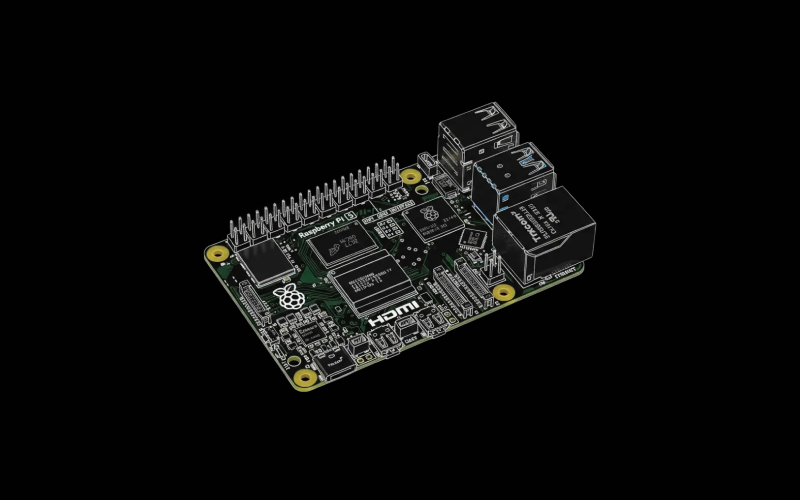
Benchmark 600,000 messages per second on a Raspberry Pi 5 Read the benchmark ->
IoT Demo

Live from our offices

Real-time temperature and humidity from Arduino sensors in some of our offices, streamed through LavinMQ.

Read the guide on how it's built ->

Temperature

- °c

Humidity

- %

Skelleftea

Temperature
Humidity
Use cases

Where LavinMQ fits in IoT

Open a scenario to see how the broker connects devices in the field with the systems that use their data.

Smart buildings Facilities · HVAC · Energy management

Every floor has sensors for temperature, CO₂, occupancy and energy. Several systems need the same readings: a live dashboard, the HVAC control and the energy reports.

Room sensorsEnergy metersAccess control LavinMQ MQTT + AMQP Building dashboardHVAC controlEnergy reportingAlertingMaintenance planning
Why LavinMQ

Each device publishes a reading once, and LavinMQ delivers it to every system that needs it. A new dashboard or service can start reading the data without any change to the devices. The live demo at the top of the page works the same way.

Industrial monitoring Manufacturing · IIoT · Condition monitoring

Machines, PLCs and vibration sensors produce high-frequency readings on the factory floor. Anomalies need to trigger an alert within seconds, while the same data feeds quality systems and long-term analysis.

Machines / PLCsVibration sensorsLine gateways LavinMQ streams · MQTT + AMQP Anomaly detectionOperator alertsQuality systemData historian
Why LavinMQ

One LavinMQ broker can handle every reading from the production line, even on small hardware. Streams keep a history of the data, so analytics and ML jobs can replay it from any point while live alerts keep running as usual.

Energy and smart metering Utilities · Solar · EV charging

Smart meters, solar inverters and EV chargers report how much energy they produce and use, around the clock. Billing, grid balancing and customer apps all need the same readings, with none missing and in the right order.

Smart metersSolar invertersEV chargers LavinMQ persistent · MQTT + AMQP BillingGrid balancingCustomer portalForecasting
Why LavinMQ

Every reading is written to disk, so nothing is lost if the broker restarts or the billing system is updated. When thousands of meters report on the hour, the readings wait in line instead of overloading billing.

Smart home and connected products Consumer devices · Appliances · Mobile apps

Thermostats, heat pumps, locks and appliances send status to the cloud and receive commands back from a mobile app. The connection has to work both ways, even when the home network is unreliable.

ThermostatsAppliancesMobile app LavinMQ MQTT both ways Device status serviceCommand routingFirmware updatesUsage analytics
Why LavinMQ

MQTT gives every device a lightweight connection that works in both directions. The app always sees the latest status of each device, and a command sent while a device is briefly offline is delivered when it reconnects.

Edge gateways On-site · Raspberry Pi · Edge-to-cloud

A site with limited or intermittent connectivity needs to keep working locally and still send data to the cloud. Running a full cloud stack on site isn't an option.

Local sensorsLocal machinesSite HMI LavinMQ on a Raspberry Pi Local control loopLocal dashboardShovel to cloud LavinMQCentral analytics
Why LavinMQ

LavinMQ is small enough to run on a gateway or Raspberry Pi at the site. Local consumers keep working when the uplink is down, and a shovel forwards the data to a central broker once it's back.

Environmental and agricultural sensing Agriculture · Weather · Water

Soil, weather and water-level sensors are spread over large areas, run on batteries and wake up only to send a reading. Bandwidth is low and every message counts.

Soil sensorsWeather stationsWater-level sensors LavinMQ MQTT + AMQP Irrigation controlField dashboardFlood alertsResearch data
Why LavinMQ

MQTT keeps the overhead per message small, which matters on battery and low-bandwidth links. LavinMQ queues readings until each backend is ready, so a slow consumer never forces a device to resend.

See it in action

Add a service. Touch no device.

Devices publish each reading once over MQTT, and LavinMQ keeps a queue for every service, readable over AMQP from LavinMQ 2.11. Try it: add a service, then stop and restart it. The devices never notice, and the service gets every reading it missed.

Sensors publish over MQTT  
LavinMQ MQTT in · AMQP out
dashboard queue
alerting queue
analytics queue
maintenance queue
Live dashboard Online
0
Alerting Not subscribed
0
Analytics Not subscribed
0
Maintenance planning Not subscribed
0
Published
0
Delivered
0
Queued
0
Device changes
0
Simulation in the browser of sensors publishing to LavinMQ, with one queue per service.
Demo

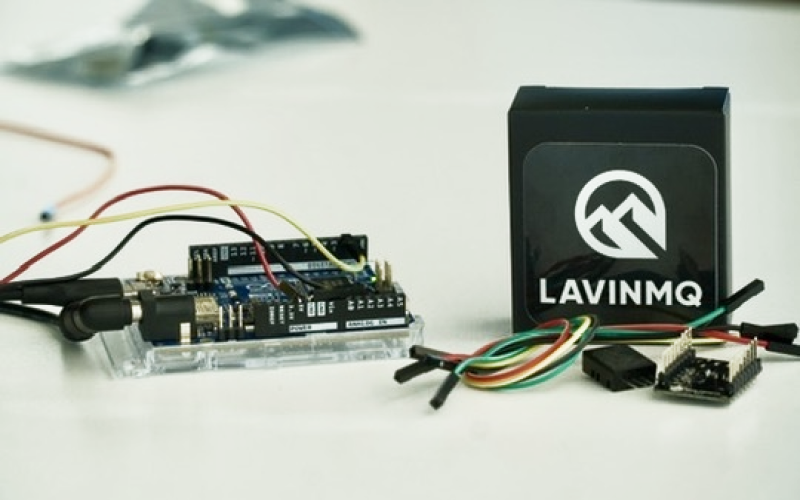
Real-time temperature monitoring with LavinMQ

Build a live temperature monitor with an Arduino sensor and LavinMQ. Publish readings to the broker and visualize them instantly in the browser through websockets.

Benchmarks

LavinMQ hits 600k msg/s on a Raspberry Pi 5

LavinMQ delivers strong performance on the Raspberry Pi 5, achieving high throughput with low overhead on a small, resource-limited system.

Demo

IoT data pipeline: LavinMQ to Prometheus to Grafana

Use LavinMQ, Prometheus, and Grafana to collect, store, and visualize sensor data in real time — and scale to thousands of devices.

Core architecture

One broker. Two protocols.

Devices publish over MQTT and, from LavinMQ 2.11, backend services consume the same messages over AMQP, all from the same process with unified auth, routing, and persistence.

OT devices sensors · machines · edge
->
LavinMQ single broker process
->
IT systems backend · analytics · billing

No bridge needed

MQTT and AMQP share one broker process. No translator service to run or maintain.

Do more with MQTT

From LavinMQ 2.11, MQTT messages can be routed into AMQP queues, with the same dead-lettering and TTL as any other queue.

Persistent by default

Every message is written to disk on arrival. No configuration, no flags to forget.

Edge to cloud with shovels

Run LavinMQ at the site, next to the devices. A shovel forwards the readings to a central LavinMQ, where backend services read them over AMQP. If the uplink drops, readings wait in the local queue until it's back. Readings published over MQTT can be shoveled from LavinMQ 2.11.

Compared to Mosquitto

How LavinMQ compares to Mosquitto

Broker LavinMQ Mosquitto
Persistence Always on Optional
Clustering Built in, automatic failover Single node in open source
Protocols MQTT 3.1.1 and AMQP 0-9-1 MQTT 3.1.1 and MQTT 5
Replay Yes, via streams No
Binary size 9.6 MB 0.3 MB

Mosquitto's small footprint suits constrained devices. LavinMQ's always-on persistence, built-in clustering and AMQP support suit systems where many services share the same data.

Further reading: LavinMQ and IoT

LavinMQ for IoT: from device to dashboard in minutes

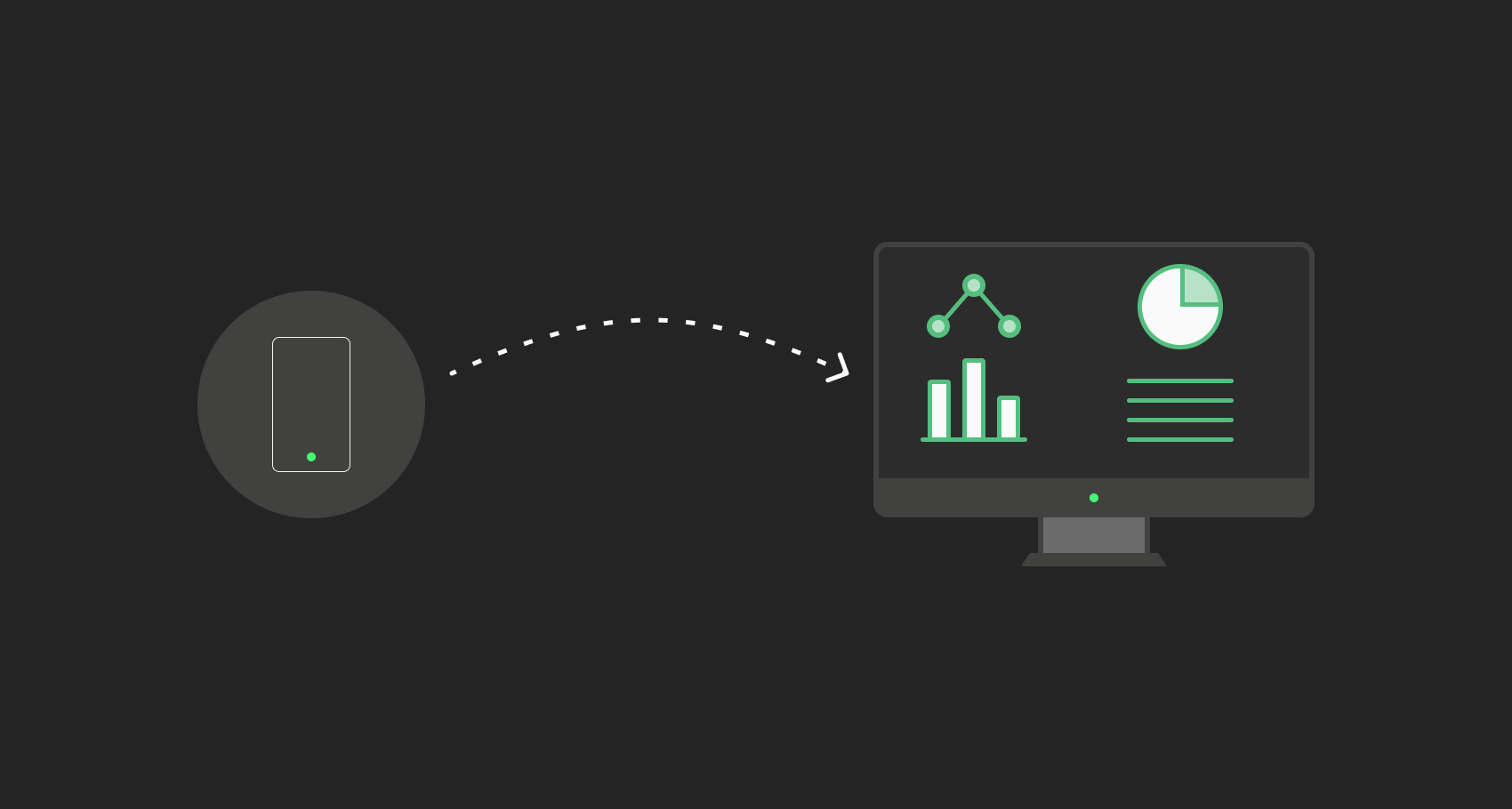
The article explains how LavinMQ connects IoT devices and dashboards using MQTT for lightweight sensor communication and AMQP for backend services — creating a fast, reliable, and scalable data pipeline.

Read more ->

Optimizing IoT workflows with LavinMQ

LavinMQ enables reliable communication between devices, users, and systems. It is specifically designed to handle a high volume of connections, a common requirement in IoT.

Read more ->
FAQ

Common questions

Which MQTT version does LavinMQ support?

LavinMQ supports MQTT 3.1.1 natively, alongside AMQP 0-9-1. Both protocols run in the same broker process, with no plugin or bridge.

Can devices on MQTT talk to services on AMQP?

Yes, from devices to services, starting with LavinMQ 2.11. A message published over MQTT can be consumed over AMQP, so devices keep their lightweight MQTT client while backend services use the AMQP libraries they already have. Messages published over AMQP don't reach MQTT subscribers.

What happens to messages when a device goes offline?

Over MQTT, QoS 1 and a persistent session make LavinMQ keep messages for the device while it's disconnected and deliver them when it reconnects. Over AMQP, messages stay in the queue until the consumer acknowledges them, so nothing is lost if a connection drops before processing finishes.

Can LavinMQ run on edge hardware?

Yes. LavinMQ is a single lightweight binary and reaches 600k msg/s on a Raspberry Pi 5, so it runs well on gateways and small edge devices.